Standing Up The Global Protest Against Human Rights Violations
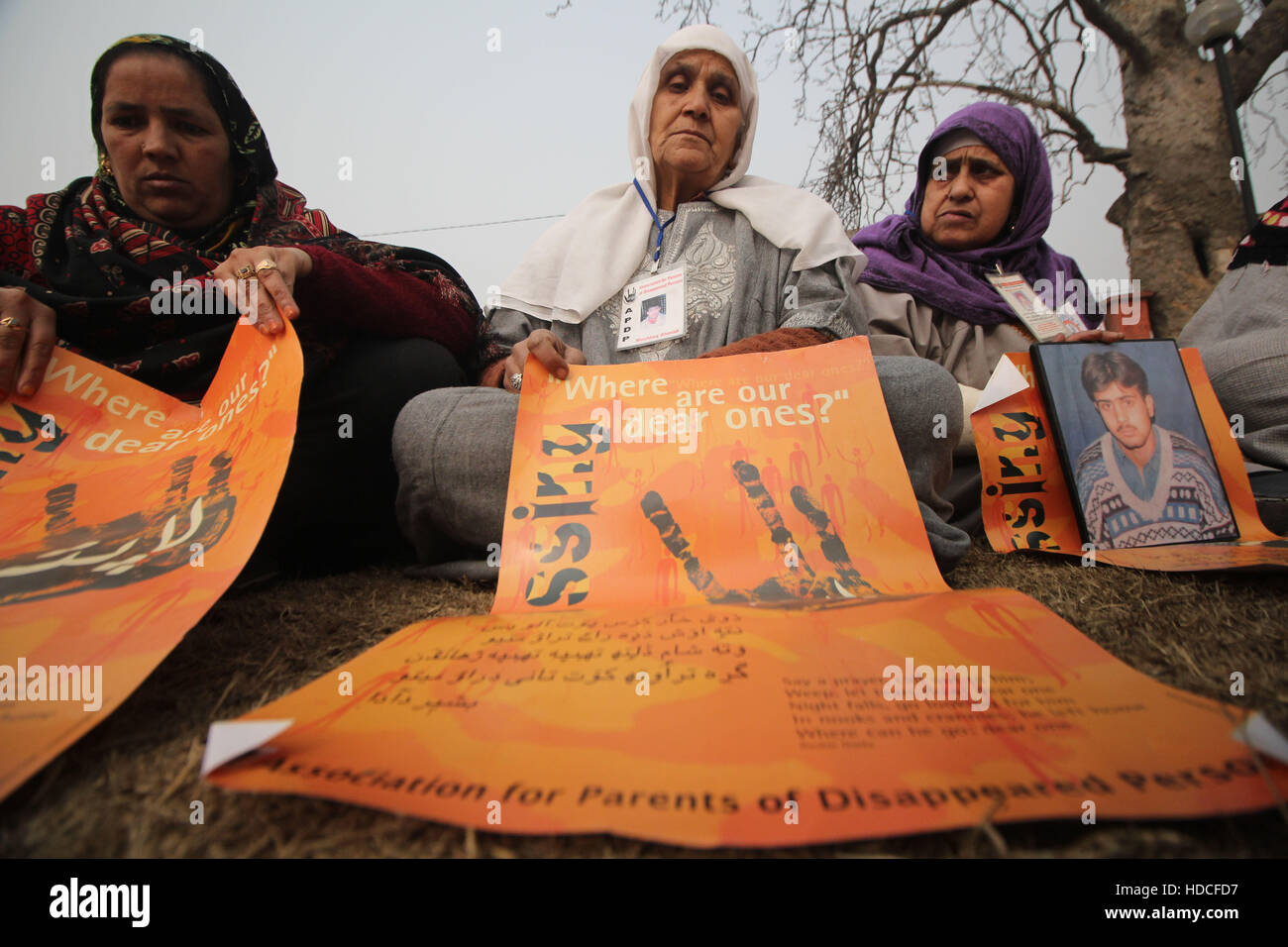
Standing Up: The Global Protest Against Human Rights Violations
In an era where the values of freedom and dignity should prevail, protest against human rights violations stands as a beacon of hope. Across continents, people are uniting their voices against tyranny and injustice, forging a path toward a future where human rights are universally respected. This article delves into the various facets of these protests, the reasons driving them, and the methods activists employ to foster change.
The Importance of Human Rights
Human rights are the inalienable rights that every individual possesses regardless of race, gender, nationality, or religion. These rights are framed within various international documents, including the Universal Declaration of Human Rights (UDHR), adopted by the United Nations General Assembly in 1948. Despite the clear articulation of these rights, widespread violations occur globally, creating a pressing need for protest and advocacy.
Historical Context of Human Rights Protests
The fight against human rights violations is not new; it stretches back centuries. Historical movements such as the abolition of slavery, the suffrage movement, and the civil rights movement in the United States have laid the groundwork for modern protests. Each of these movements not only sought to address specific injustices but also helped to promote the idea that oppressed groups deserved equal treatment and respect under the law.
In the late 20th century, the anti-apartheid struggle in South Africa and the protests against authoritarian regimes in Eastern Europe highlighted the power of collective action and civil disobedience in challenging systemic injustices. These movements established a template for contemporary activist strategies, emphasizing grassroots organization, solidarity, and global awareness.
Contemporary Human Rights Violations
Today, violations of human rights manifest in numerous ways, including but not limited to: oppression of ethnic minorities, restriction of free speech, discrimination based on gender identity or sexual orientation, and suppression of political dissent. The situation is aggravated by conflicts, pandemics, and economic instability, which exacerbate already dire human rights conditions.
In countries like Myanmar, the ongoing persecution of the Rohingya people exemplifies egregious human rights violations that have sparked international outrage and protests. Similarly, the repression of pro-democracy movements in Belarus and Russia showcases the urgent call for global solidarity and activism against autocratic regimes.
How Protests Emerge
Protests against human rights violations often arise from a confluence of factors. Disenfranchised communities, along with human rights organizations, play a pivotal role in mobilizing support. These protests may stem from a specific incident, such as police brutality, a discriminatory law, or an act of violence against a marginalized group, but they frequently tap into broader grievances.
The advent of social media has transformed how protests are organized and amplified. Activists utilize platforms like Twitter, Facebook, and Instagram to share information quickly, coordinate rallies, and draw international attention to local issues. Movements such as Black Lives Matter have demonstrated the impact of digital activism in creating global awareness, fostering local protests, and influencing policy changes.
Strategies for Effective Protests
Protests can take on many forms, from peaceful marches and sit-ins to online campaigns and letter-writing initiatives. Each method serves a purpose depending on the context and desired outcomes. Here, we explore effective strategies employed by contemporary activists:
- Grassroots Organizing: Building community coalitions can increase participation and ensure that the voices of those most affected by human rights violations are prioritized.
- Peaceful Demonstrations: Organizing marches and vigils serves as a powerful form of expression, showcasing solidarity and demanding action without resorting to violence.
- Legal Challenges: Utilizing legal tools to challenge unjust laws and practices is essential. Factors such as international law and local statutes can be leveraged to hold violators accountable.
- Public Awareness Campaigns: Educating the public about specific issues through social media, workshops, and community discussions can help garner support and foster informed activism.
- Partnership with NGOs: Collaboration with established organizations can provide resources, knowledge, and logistical support essential for sustained advocacy efforts.
Global Solidarity and the Role of International Organizations
The fight against human rights violations is a global issue that requires international cooperation and solidarity. Organizations such as Amnesty International and Human Rights Watch play critical roles in documenting abuses, advocating for policy changes, and mobilizing international support for local movements.
Additionally, international bodies like the United Nations create platforms for dialogue and accountability. The Universal Periodic Review mechanism allows countries to review each other’s human rights records, shedding light on violations and encouraging nations to take corrective action.
Challenges Facing Human Rights Protests
Despite the determination and resilience of activists, numerous challenges impede the effectiveness of human rights protests. Government repression, including arrests, violence, and propaganda, often seeks to silence dissent. In many cases, authoritarian regimes employ surveillance and intimidation tactics to discourage participation in protests.
Furthermore, misinformation and social media manipulation can distort narratives surrounding human rights issues, complicating activists’ efforts to galvanize support. It is crucial that activists work to combat misinformation and provide accurate representations of their causes to maintain public trust and engagement.
Conclusion: The Path Forward
As the world confronts an array of human rights challenges, the role of protests in advocating for justice and equity is more crucial than ever. Collective action has the power to challenge systems of oppression, mobilize support, and effect change. The commitment demonstrated by grassroots activists, their allies, and international organizations creates the potential for a future where human rights are truly universal.
Ultimately, the journey toward achieving full respect for human rights is ongoing. We all have a role to play in this effort, whether it’s by participating in protests, educating ourselves and others, or advocating for policy changes that protect the rights and dignity of all individuals. The power of the people lies in unity, and together, we can bring about a more just world.
